
PATIENT JOURNEY
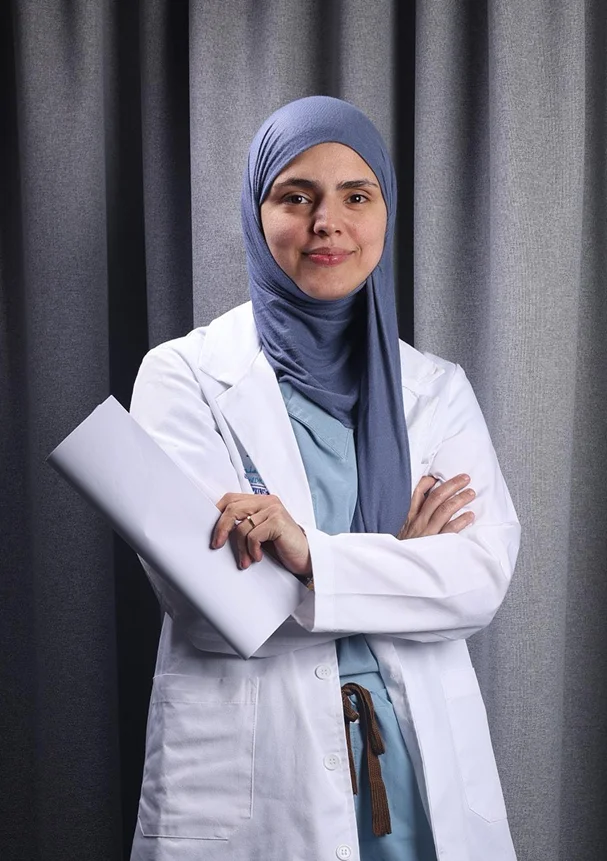
MY GOAL IS
To make sure you feel informed, supported, and confident at every step from your first consultation to your full recovery.
1
Your First
Consultation
2
After a
Diagnosis
3
Treatment
and Surgery
4
Recovery
and Follow-up
5
Emotional and
Educational Support
Your First Consultation
Your first visit begins with an in-depth discussion – not just about test results or reports, but about you. I start by reviewing your medical history, family history, and prior imaging, followed by a focused clinical examination.
If needed, I may request additional tests such as mammograms, ultrasounds, MRIs, or biopsies, all tailored to your specific situation and risk profile.
During this visit, we'll discuss:
- What your findings mean in plain language
- What next steps are needed (if any)
- How can we plan these steps around your comfort, schedule, and preferences
Every consultation is private and confidential, and, upon request, a female medical team can be arranged to support you throughout your visit.
CARING BEYOND DIAGNOSIS
CARING BEYOND DIAGNOSIS
CARING BEYOND DIAGNOSIS
CARING BEYOND DIAGNOSIS
CARING BEYOND DIAGNOSIS
CARING BEYOND DIAGNOSIS
CARING BEYOND DIAGNOSIS
CARING BEYOND DIAGNOSIS
CARING BEYOND DIAGNOSIS
CARING BEYOND DIAGNOSIS
COMMON QUESTIONS
It depends on the procedure. Most breast surgeries allow a return to daily activities within 1-2 weeks, although full recovery can take longer for more complex cases. You’ll receive a personalized recovery plan before discharge, including wound care, exercises, and follow-up schedule.
Not necessarily. Many women today are candidates for breast-conserving surgery. When a mastectomy is necessary, reconstruction can often be done immediately, in collaboration with a plastic surgeon. Every plan is tailored to your preferences and medical safety.
Only about 5-10% of breast cancers are due to inherited genetic mutations, such as BRCA 1 and BRCA 2. Most cases result from a combination of lifestyle, hormonal, and environmental factors. For high-risk families, we offer genetic counseling and testing to guide screening or preventive options.
Pain control is a key part of your care. We use advanced anesthesia and multimodal pain-management protocols to minimize discomfort. Most patients describe post-operative pain as moderate and well-controlled with medication.
Absolutely – and I encourage it. Healthcare decisions should be made with confidence, not pressure. A second opinion can confirm your plan or offer alternative options, empowering you to make informed choices.
That's completely normal. A new diagnosis brings uncertainty. My team and I take the time to explain, pause, and listen, ensuring you feel supported at every step. If needed, we connect patients with counseling, peer-support groups, or wellness specialists.
We’ll review medications, fasting instructions, and what to bring on the day of surgery. You’ll also receive clear written and verbal guidance from our nursing team – including how to manage drains, dressings, and mobility after surgery.
Any new lump, skin changes, nipple discharge, or persistent breast pain should be evaluated promptly – even if you’ve had a normal mammogram in the past. Your body often whispers before it screams; early assessments save time and worry.
For most women, annual mammograms start at age 40, but earlier screening might be recommended if you have a strong family history or genetic predisposition. Your plan is tailored to your individual risk factors.
No – this is a common myth. Biopsies are safe and essential for accurate diagnosis. The needle path is sealed by pressure, and the immune system clears any remaining cells. Biopsies help us treat faster, not spread disease.
Not every patient does. Treatments are increasingly personalized to determine which therapies truly add benefit. We’ll discuss every recommendation transparently, with input from an experienced multidisciplinary team.
Lifestyle plays a powerful role. Maintaining a healthy weight, exercising regularly, limiting alcohol, managing stress, and prioritizing good sleep all support hormonal balance, immune function, and overall cellular health. These same principles promote long-term wellness and healthy aging.
In select high-risk women, we may also consider risk-reducing medications (chemoprevention) such as tamoxifen and aromatase inhibitors. These are never prescribed routinely – only after careful evaluation and discussion with a multidisciplinary team, to ensure the approach fits your personal risk profile and medical history.
Yes – for patients who prefer it, we can arrange a fully female clinical team during examination and surgery. Comfort and privacy are priorities in every step of care.
Absolutely. Your medical information and discussions are treated with the highest level of confidentiality and handled exclusively by authorized medical staff.
Follow-up visits are scheduled to review healing, discuss pathology results, and plan next steps. Over time, these visits shift toward survivorship and preventive care—focusing on wellbeing, screening, and long-term recovery.
Virtual consultations can be scheduled for follow-up talks or second opinions, ensuring ongoing care no matter where you are.
Follow Us


All rights reserved. shirinmuhsenTM are registered trademarks in Lebanon.
© 2026 shirinmuhsen.