

Back to Blogs
Can Breast Cancer Be Prevented?
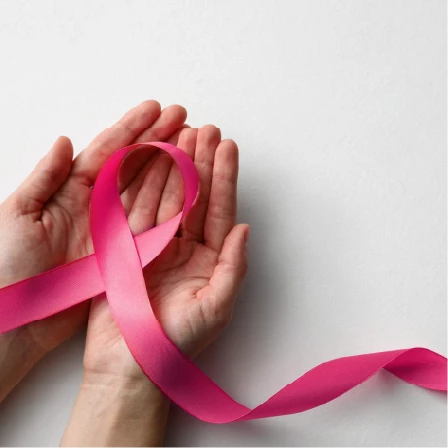
Breast cancer cannot always be prevented, but there is a great deal that can be done to reduce risk. Prevention is not about perfection or eliminating every possibility. It is about understanding risk, making informed choices, and taking steps that support long-term breast health.
The first step in prevention is knowing your personal risk.
Breast cancer risk is influenced by factors we cannot change, such as age, sex assigned at birth, family history, and genetics. Other factors, however, are modifiable. Understanding where you fall on the risk spectrum helps guide screening and prevention strategies that are appropriate for you.
Risk is not one-size-fits-all. Some people are at average risk, while others may have intermediate or higher risk due to family history, prior breast conditions, or genetic factors. Discussing your risk with a healthcare provider allows prevention and screening to be tailored rather than generalized.
Lifestyle choices play an important role in reducing risk.
Maintaining a healthy body weight is one of the most important modifiable factors, particularly after menopause. Excess body fat is associated with higher estrogen levels, which can increase the risk of hormone-sensitive breast cancers.
Physical activity has a protective effect. Regular exercise helps regulate hormones, reduce inflammation, strengthen the immune system, and support a healthy weight. Moderate activity, such as brisk walking for at least 30 minutes most days of the week, has been shown to lower breast cancer risk. More activity provides additional benefit, but consistency matters more than intensity.
Nutrition supports overall health and may influence breast cancer risk.
There is no single “anti-cancer” diet, but certain eating patterns are linked to a lower risk. A diet rich in vegetables, fruits, whole grains, legumes, and fiber supports metabolic and hormonal health. Limiting processed foods, refined sugars, and highly processed meats is beneficial not only for cancer risk but also for cardiovascular and overall health.
Portion awareness matters. Eating until satisfied rather than overly full, paying attention to hunger cues, and avoiding mindless eating can help maintain a healthy weight over time.
Alcohol intake deserves special attention.
Even moderate alcohol consumption has been linked to an increased risk of breast cancer. The risk rises with the amount consumed. For those who drink alcohol, limiting intake and reserving it for occasional use can help reduce risk.
Smoking cessation is another important preventive step. Smoking affects overall health, immune function, and inflammation, and avoiding tobacco supports long-term wellness.
Breast self-awareness and screening remain essential.
Prevention is not only about reducing risk, but also about early detection. Being familiar with how your breasts normally look and feel allows you to notice changes early. Most breast changes are not cancer, but persistent or unusual changes should always be evaluated.
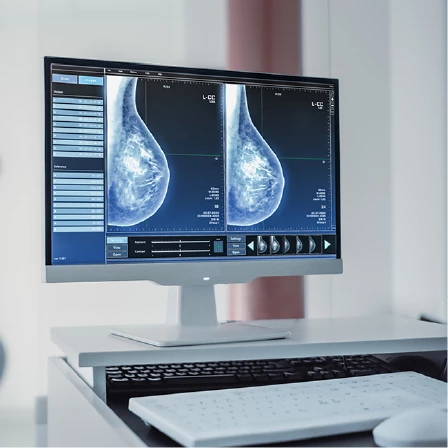
Screening detects cancers before symptoms appear. Mammography remains the foundation of screening for most women, with additional imaging used when appropriate based on breast density and risk. Screening does not prevent cancer from forming, but it greatly improves outcomes by finding cancer earlier.
For some individuals at higher risk, additional preventive strategies may be discussed. These may include enhanced screening, medications that reduce risk in select situations, or preventive surgery in rare cases. These decisions are highly individualized and should be made with careful counseling.
Breast cancer is a complex disease. Developing cancer does not mean someone failed to eat correctly, exercise enough, or make the “right” choices. Prevention strategies lower risk; they do not eliminate it entirely.
The goal of prevention is empowerment, not anxiety.
Small, sustainable changes over time have a meaningful impact. Understanding your risk, staying active, eating thoughtfully, limiting alcohol, and keeping up with screening are practical steps that support breast health and overall well-being.
Prevention is not a single decision. It is a long-term approach to caring for your health.
CARING BEYOND DIAGNOSIS
CARING BEYOND DIAGNOSIS
CARING BEYOND DIAGNOSIS
CARING BEYOND DIAGNOSIS
CARING BEYOND DIAGNOSIS
CARING BEYOND DIAGNOSIS
CARING BEYOND DIAGNOSIS
CARING BEYOND DIAGNOSIS
CARING BEYOND DIAGNOSIS
CARING BEYOND DIAGNOSIS





Follow Us


All rights reserved. shirinmuhsenTM are registered trademarks in Lebanon.
© 2026 shirinmuhsen.