

Back to Blogs
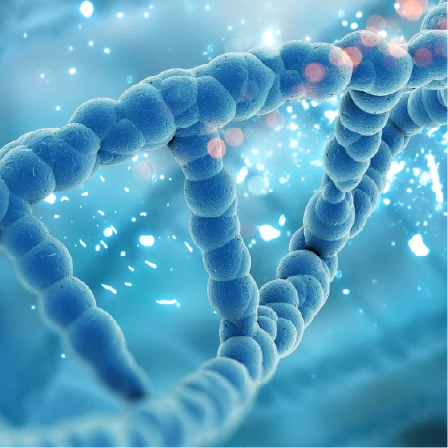
Is Breast Cancer Always Hereditary?
Many patients worry that a breast cancer diagnosis means their children, sisters, or relatives are destined to face the same disease. This fear is very common, and it often carries a heavy emotional weight. Parents worry about their daughters. Siblings worry about one another. Some patients even feel guilt, wondering if they have passed something on.
In reality, most breast cancers are not hereditary.
Only a small percentage of breast cancers are caused by inherited genetic mutations passed down through families. The majority occur sporadically, meaning they develop over time due to a combination of factors such as aging, hormonal exposure, environmental influences, and chance.
Breast cancer is common, and common diseases often appear in families simply because many people are affected over a lifetime. This does not automatically mean there is a genetic cause.
That said, family history still matters.
Certain patterns raise suspicion for inherited risk, such as multiple relatives with breast or ovarian cancer, cancer diagnosed at a young age, cancer occurring in both breasts, or specific combinations of cancers within a family. When these patterns are present, genetic counseling can help determine whether testing is appropriate.
Genetic testing is a tool, not a label. Its purpose is to clarify risk, not to define identity or create fear. For some patients, genetic information informs surgical decisions, screening plans, and preventive strategies. For others, testing provides reassurance, allowing them to focus on standard follow-up and screening.
It is also important to understand what genetic testing does not mean. A positive result does not guarantee that cancer will develop, and a negative result does not eliminate risk entirely. Genetics are one part of a much larger picture.
Risk exists on a spectrum. Everyone has some level of risk for breast cancer, even without a family history. Likewise, many people with a family history will never develop the disease.
Understanding whether breast cancer is hereditary can be empowering. It allows patients and families to make informed decisions about screening, prevention, and long-term health. It should never be a source of blame, guilt, or fear.
Breast cancer is not caused by something you did or did not pass on. It is a complex disease, shaped by biology, environment, and time. Knowledge helps replace fear with clarity, allowing families to move forward with confidence rather than uncertainty.
CARING BEYOND DIAGNOSIS
CARING BEYOND DIAGNOSIS
CARING BEYOND DIAGNOSIS
CARING BEYOND DIAGNOSIS
CARING BEYOND DIAGNOSIS
CARING BEYOND DIAGNOSIS
CARING BEYOND DIAGNOSIS
CARING BEYOND DIAGNOSIS
CARING BEYOND DIAGNOSIS
CARING BEYOND DIAGNOSIS





Follow Us


All rights reserved. shirinmuhsenTM are registered trademarks in Lebanon.
© 2026 shirinmuhsen.