

Back to Blogs
Will I Need Chemotherapy or Radiation?
One of the most common fears after a breast cancer diagnosis is the assumption that chemotherapy or radiation will automatically be part of treatment. Many patients imagine a fixed path that everyone must follow. In reality, breast cancer treatment today is highly personalized.
Not every breast cancer requires chemotherapy, and not every patient needs radiation. These treatments are recommended only when they offer a clear benefit in reducing the risk of recurrence or improving long-term outcomes.
The most important factor guiding these decisions is not just the size of the tumor or its stage, but its biology. Breast cancers behave differently depending on their hormone receptor status, HER2 status, grade, and whether lymph nodes are involved. These characteristics help predict how a cancer is likely to behave and how it responds to treatment.
In some cases, additional tests that analyze the tumor’s genetic profile are used to refine decision-making. These tests do not simply label a cancer as “high” or “low” risk; they help estimate whether chemotherapy would meaningfully reduce the risk of recurrence. For some patients, these results allow chemotherapy to be safely avoided.
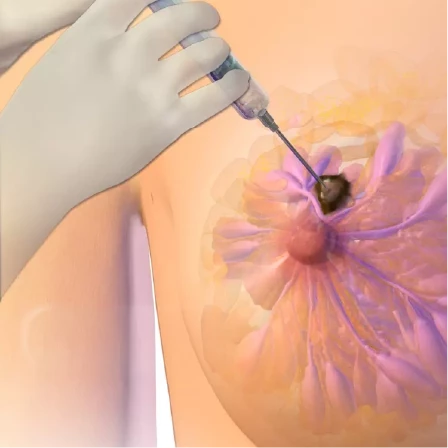
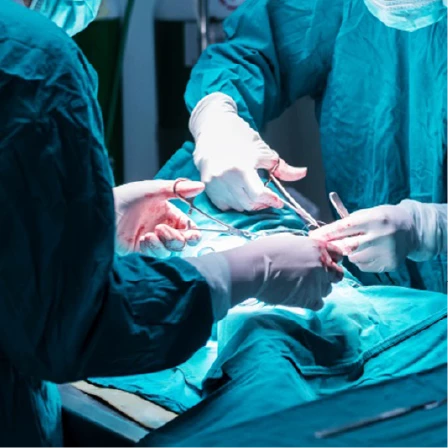
Radiation therapy complements surgery. It is a local treatment, meaning it targets a specific area rather than the whole body. Radiation is commonly recommended after breast-conserving surgery to reduce the risk of cancer recurrence in the breast. In some situations, it may also be advised after mastectomy, depending on tumor features and lymph node involvement.
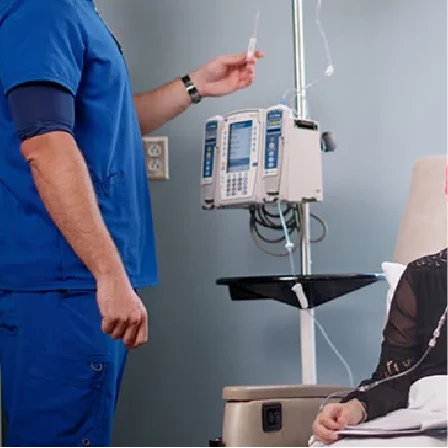
Systemic treatments such as chemotherapy, hormone therapy, and targeted therapies are designed to address cancer cells that may have spread beyond the breast, even when imaging appears clear. This does not mean cancer has spread; it reflects an effort to reduce microscopic risk.
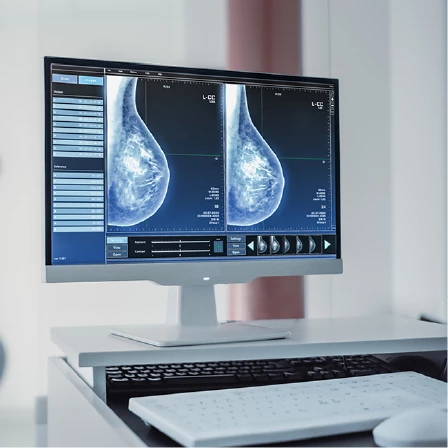
Treatment planning is never the work of a single doctor. It is a multidisciplinary process involving surgeons, medical oncologists, radiation oncologists, radiologists, and pathologists. Each specialist brings a distinct perspective, enabling decisions to be balanced, evidence-based, and individualized.
Just as important as deciding whether a treatment is needed is planning how it will be tolerated. Side effects are real, but they are anticipated, monitored, and managed proactively. Supportive medications, dose adjustments, and careful follow-up are part of modern cancer care.
The goal of treatment is not to be aggressive out of fear. It is to be precise. The right treatment is the one that offers meaningful benefit while avoiding unnecessary harm.
Understanding why a treatment is recommended often transforms fear into confidence. Patients deserve not only a treatment plan, but a clear explanation of how that plan was chosen and what it aims to achieve.
CARING BEYOND DIAGNOSIS
CARING BEYOND DIAGNOSIS
CARING BEYOND DIAGNOSIS
CARING BEYOND DIAGNOSIS
CARING BEYOND DIAGNOSIS
CARING BEYOND DIAGNOSIS
CARING BEYOND DIAGNOSIS
CARING BEYOND DIAGNOSIS
CARING BEYOND DIAGNOSIS
CARING BEYOND DIAGNOSIS



Follow Us


All rights reserved. shirinmuhsenTM are registered trademarks in Lebanon.
© 2026 shirinmuhsen.