

Back to Blogs
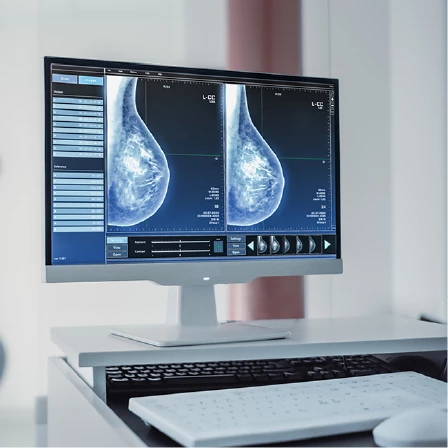
When Should I Start Breast Cancer Screening?
Breast cancer screening is one of the most effective tools we have to save lives. Yet it is also one of the most confusing topics for many women.
Different guidelines. Different ages. Different advice from friends, social media, and even doctors.
So when should you actually start?
The answer depends on two things: your level of risk and the goal of screening.
The goal of screening is simple: to detect cancer before it causes symptoms, when treatment is easier, and outcomes are better.
For women at average risk, most major medical societies recommend starting regular breast cancer screening at age 40.
Why 40?
Because breast cancer becomes more common starting in the 40s, and cancers detected at this stage are more likely to be early, smaller, and highly treatable. Screening mammograms can find cancers years before they are felt on physical examination.
Annual screening allows small changes to be detected earlier and reduces the risk of being diagnosed at a more advanced stage.
However, some women need to start earlier.
If you have a higher-than-average risk, screening may begin before age 40 and may include additional imaging beyond mammography.
You may be considered higher risk if you have a strong family history of breast or ovarian cancer, a known genetic mutation, prior chest radiation at a young age, or certain high-risk findings on prior breast biopsies.
In these situations, screening is individualized. It may involve earlier mammograms, breast ultrasound, or breast MRI, depending on your risk profile.
Screening is not only about age. A screening plan should never be generic. It should be tailored.
Early detection changes everything.
When breast cancer is found early, treatment is often less extensive, surgery is more conservative, and long-term outcomes are significantly better.
One of the most important points to understand is that screening is intended for women who feel well. If you have symptoms such as a new lump, skin changes, nipple discharge, or persistent pain, that is not screening. That is a diagnostic evaluation, and it should be addressed promptly, regardless of age.
Screening is not about living in fear. It is about taking control.
If you are unsure when to start, what type of screening you need, or whether your risk is higher than average, a consultation can help clarify that. Screening decisions should be informed, personalized, and made with clarity—not confusion.
Breast cancer screening is not a one-time test. It is a long-term investment in your health.
CARING BEYOND DIAGNOSIS
CARING BEYOND DIAGNOSIS
CARING BEYOND DIAGNOSIS
CARING BEYOND DIAGNOSIS
CARING BEYOND DIAGNOSIS
CARING BEYOND DIAGNOSIS
CARING BEYOND DIAGNOSIS
CARING BEYOND DIAGNOSIS
CARING BEYOND DIAGNOSIS
CARING BEYOND DIAGNOSIS






Follow Us


All rights reserved. shirinmuhsenTM are registered trademarks in Lebanon.
© 2026 shirinmuhsen.