

Back to Blogs

Understanding Breast Cancer Treatment Beyond Surgery
Surgery is often the first step in treating breast cancer, but it is rarely the only one. Breast cancer care is built around a combination of treatments, each with a specific role, and not every patient needs every option.
Systemic therapies are treatments that work throughout the body. Their purpose is to reduce the risk of cancer returning elsewhere and to treat cancer cells that cannot be seen on imaging.
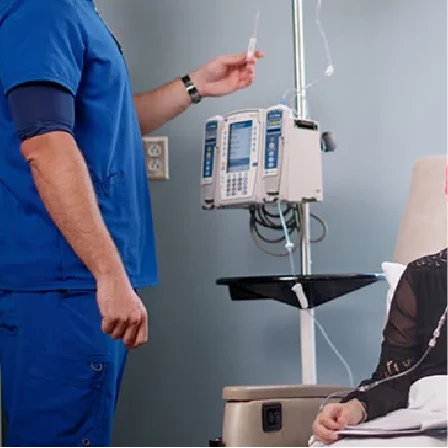
Chemotherapy uses medications that target rapidly dividing cells. It is typically recommended when the cancer has features that suggest a higher risk of recurrence or when it is known to be less responsive to other treatments. Chemotherapy is usually given over a defined period and is carefully monitored.
Hormone therapy is used for cancers that are sensitive to estrogen or progesterone. These medications work by blocking hormonal signals that help cancer cells grow. Hormone therapy is often taken for several years and plays a major role in reducing long-term recurrence risk for hormone-sensitive cancers.
Targeted therapies focus on specific characteristics of cancer cells, such as certain proteins that drive growth. These treatments are designed to be more selective, aiming to affect cancer cells while limiting impact on normal tissue. They are often used in combination with other treatments.
Radiation therapy is a local treatment. It targets the breast, chest wall, or nearby lymph node areas to reduce the risk of cancer returning in those regions. Radiation is carefully planned to maximize effectiveness while protecting surrounding organs.
Supportive and preventive treatments are also part of comprehensive care. These may include medications to protect bone health, manage side effects, or reduce the risk of complications during treatment.
Not every patient needs all of these treatments. Some may require only surgery and hormone therapy. Others may benefit from a combination of surgery, radiation, and systemic treatments. The plan depends on cancer biology, stage, overall health, and patient preferences.
An important part of treatment is timing. Some therapies are given before surgery to shrink a tumor or assess response. Others are given after surgery to reduce recurrence risk. The sequence is planned deliberately.
Breast cancer treatment is not about following a preset formula. It is about choosing the right tools for the right cancer in the right order.
A clear understanding of available treatment options allows patients to participate actively in decisions and to move forward with confidence rather than fear.
CARING BEYOND DIAGNOSIS
CARING BEYOND DIAGNOSIS
CARING BEYOND DIAGNOSIS
CARING BEYOND DIAGNOSIS
CARING BEYOND DIAGNOSIS
CARING BEYOND DIAGNOSIS
CARING BEYOND DIAGNOSIS
CARING BEYOND DIAGNOSIS
CARING BEYOND DIAGNOSIS
CARING BEYOND DIAGNOSIS



Follow Us


All rights reserved. shirinmuhsenTM are registered trademarks in Lebanon.
© 2026 shirinmuhsen.